

The license is in their wallet and the car keys are on their hook. What usually is not there yet is any idea of what the dashboard lights mean, where the tire pressure number lives, or what to do when the car will not start in a dark parking lot.
You do not need to turn a new driver into a mechanic. You need them to notice problems early, handle the two or three common roadside situations calmly, and know when to call for help. Here is what to teach, in roughly the order it matters, and the small kit worth putting in their car on day one.
Disclosure: GarageWise is reader-supported. As an Amazon Associate we earn from qualifying purchases, at no extra cost to you.
Lesson 1: Open the owner’s manual together
It sounds dull, so make it a scavenger hunt. Find the page with the dashboard warning symbols, the page with the maintenance schedule, the jacking points, and the fluid types. The National Safety Council suggests going through the dashboard symbols with your teen so a light that comes on is not a mystery, and AAA points out that following the manufacturer’s schedule is what keeps small problems from becoming expensive ones.
Then put the services on a shared calendar. AAA suggests exactly that for parents and new drivers, so the oil change reminder pings both of you.
Lesson 2: Tires, once a month, while they are cold
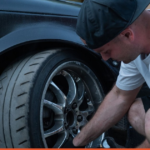
Tires are the most common thing a new driver will have to deal with, and the easiest to check. Show them the sticker on the driver’s door jamb with the recommended pressure. Then show them the much higher number on the tire sidewall and explain that it is the tire’s maximum, not the number to fill to. AAA calls this out specifically, because it is the mistake almost everyone makes once.
Check monthly and before long trips, with the tires cold, before the car has been driven. Add air in short bursts and recheck so they do not overshoot.
Buy now: the glovebox basics
| Item | Priority | Why | |
|---|---|---|---|
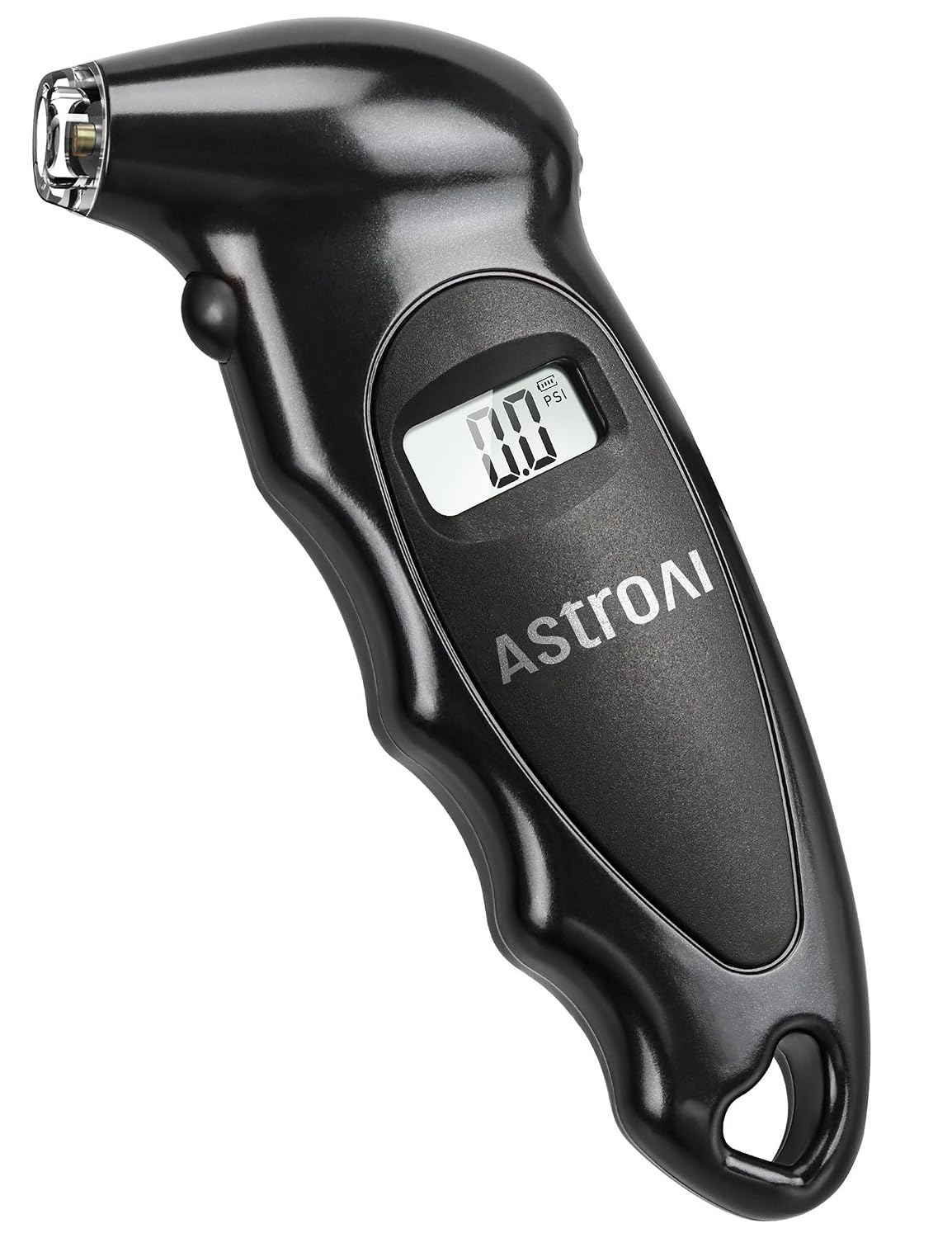 AstroAI digital tire gauge | Buy now | Monthly pressure checks | Check Price |
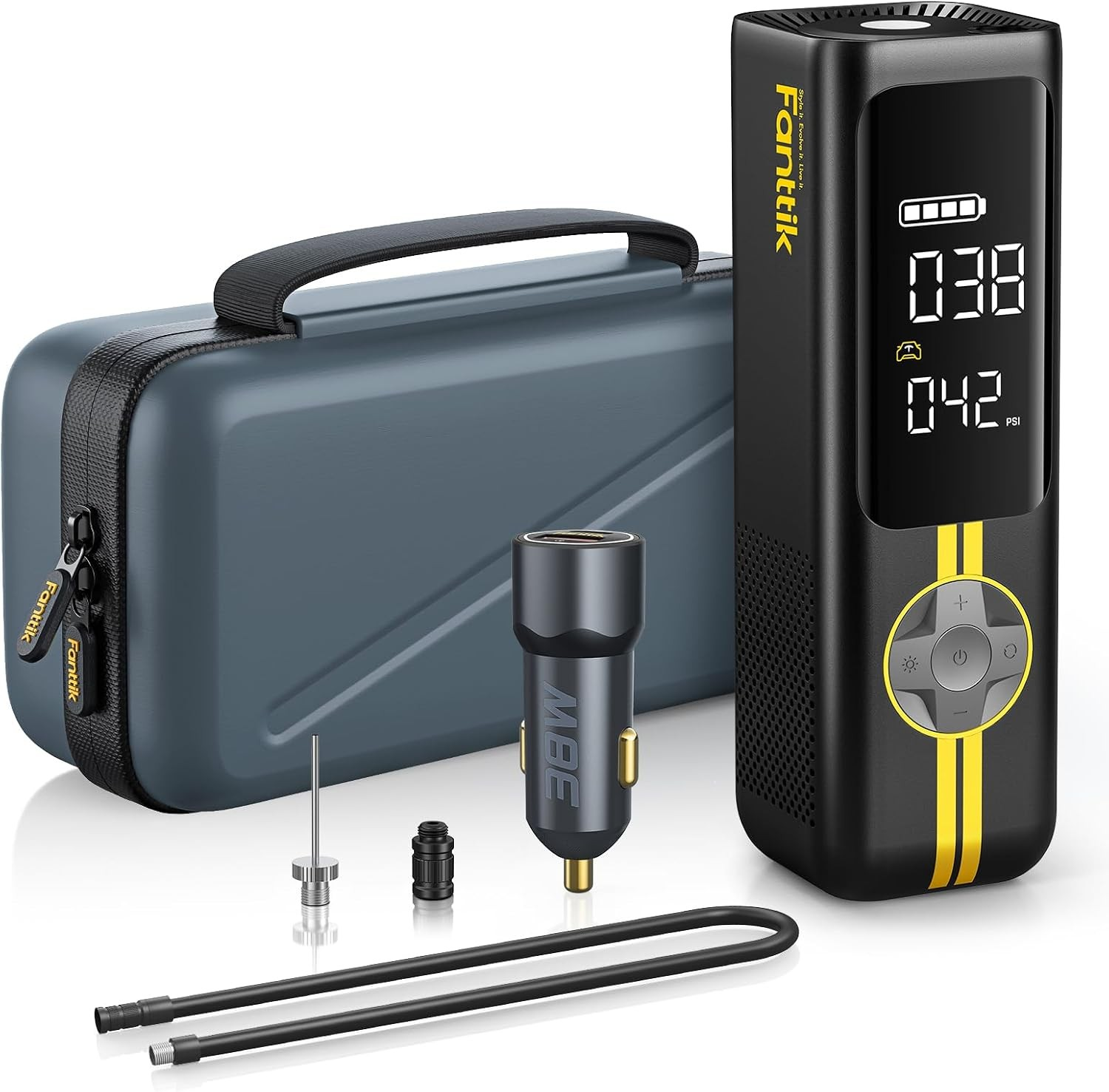 Fanttik X8 APEX inflator | Buy now | Fix low tires anywhere | Check Price |
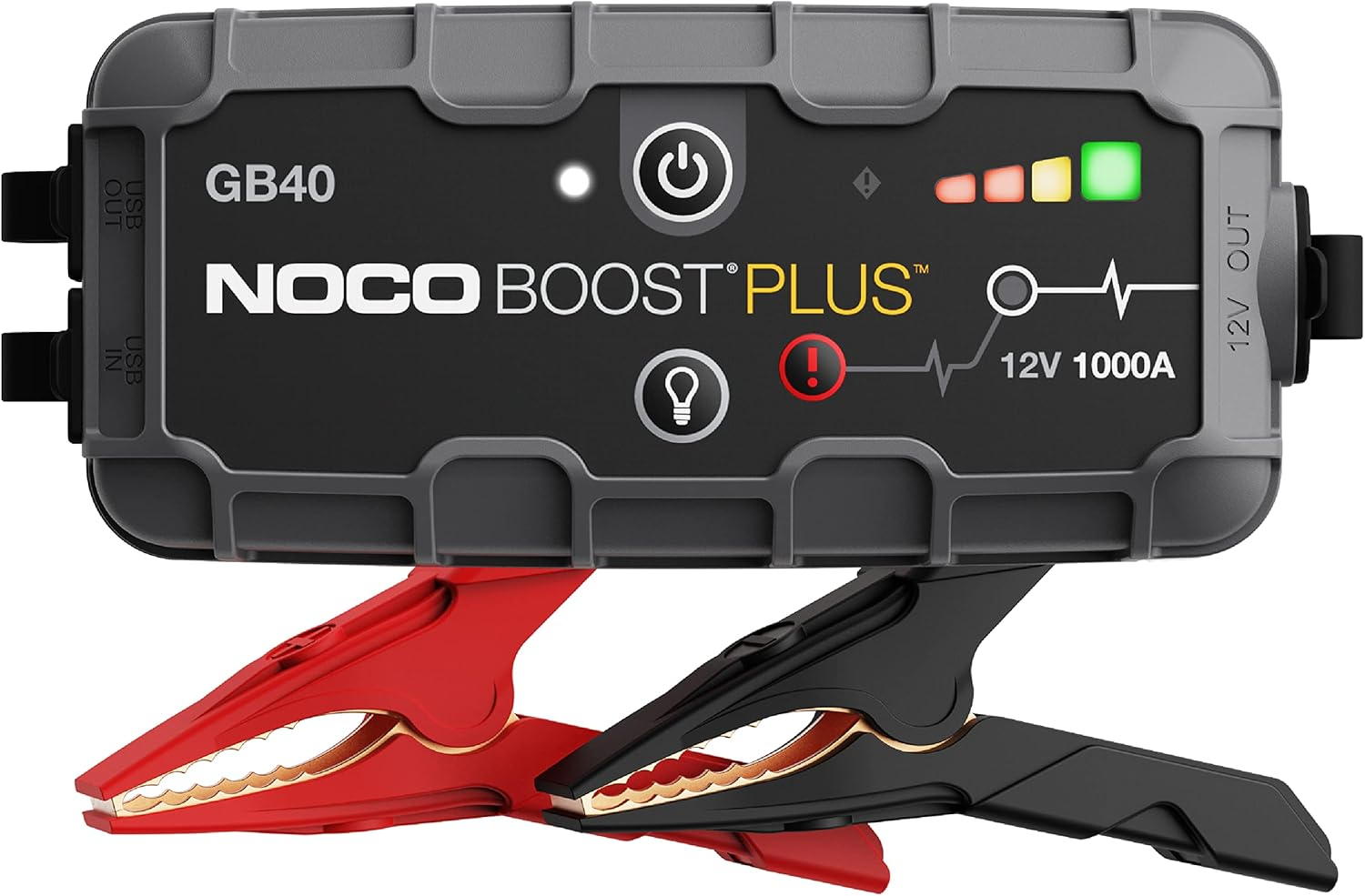 NOCO Boost Plus GB40 | Buy now | Dead battery, no second car | Check Price |
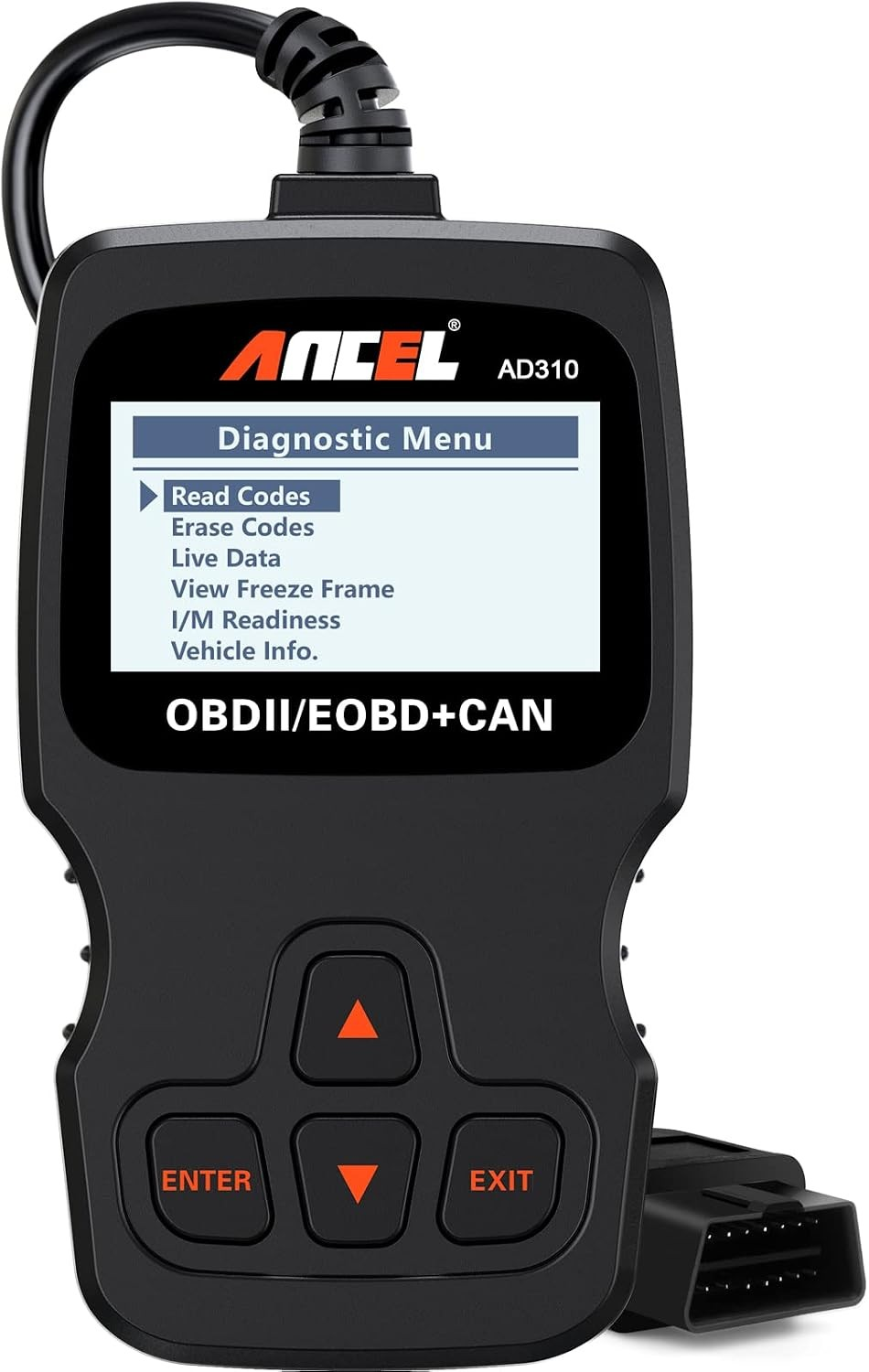 ANCEL AD310 code reader | Buy later | Read a check engine light | Check Price |
A gauge they will actually use
A digital gauge removes the squinting. AAA suggests electronic gauges are often the easiest for teens, and the AstroAI is about as simple as they come: press the button, push it on the valve, read the backlit screen. AstroAI lists a 0 to 200 PSI range, four units, auto shut-off, and AAA batteries. It was about $8 on Amazon when we checked.
Cheapest safety upgrade in the car. A gauge in the door pocket turns “I think the tires are fine” into a 60-second habit.
See the AstroAI Gauge →An inflator so a low tire is not a crisis
A gauge tells them a tire is low; an inflator lets them fix it without hunting for a gas station air machine. The Fanttik X8 APEX has its own battery, so it lives in the glovebox. Fanttik lists it at 150 PSI with car, bike, motorcycle and ball presets and an 18-inch hose. Teach them to set it to the door-jamb number and let it shut off on its own.
One honest rule to pass on: an inflator buys time. A tire that needs air every week has a leak and needs a shop.
No more gas-station air hunts. Set the pressure, press start, and it stops on its own.
Check the Fanttik X8 APEX →A jump starter, because dead batteries happen at night
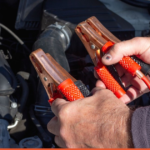
Jumper cables need a second car and someone willing to help. A portable jump starter does not, which is why NAPA recommends one for young drivers, especially in remote areas. NOCO rates the Boost Plus GB40 at 1000 amps for gas engines up to 6.0 liters. Practice once in the driveway: red clamp to positive, black to a bare metal ground, turn it on, start the car.
The catch: it needs recharging every few months, so add that to the shared calendar too. AAA also notes most batteries last three to five years, so if their car’s battery is in that range, have it tested before winter.
Dead battery, empty parking lot? A pocket jump starter means they can get home without waiting on anyone.
View the NOCO GB40 →Lesson 3: Under the hood, every other fill-up
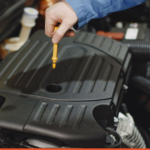
NAPA’s advice is to get used to lifting the hood every other time you refuel. Start with the oil: car parked on level ground, engine off and cool, pull the dipstick, wipe it, push it back in, pull it again and read it between the marks. Oil that is low, very dark or gritty means it is time for a change.
Then point out washer fluid (the one they will refill most), the coolant overflow tank, and the brake fluid reservoir, and explain that they look but do not open a hot coolant cap. Our monthly fluid routine is a good printable checklist to leave in the glovebox.
Lesson 4: Lights, wipers and the fuel gauge
Walk around the car with them while they work the headlights, brake lights and turn signals. Show them how to tell when wiper blades are streaking, since driving in rain or snow without clear vision is genuinely dangerous, and how to swap a blade. And one habit worth building early: refill at a quarter tank rather than running near empty.
Lesson 5: What to do when something goes wrong
- Signal, pull over somewhere safe and as far from traffic as possible, and turn on the hazards.
- Decide: is this something they can handle (a low tire, a dead battery) or a call for roadside assistance?
- If it is not safe to get out, stay in the car with the seat belt on. If they must get out, stand well away from traffic.
- Make sure they know the roadside assistance number, and save it in their phone today.
Changing a spare is worth practicing once in the driveway, not for the first time on a highway shoulder: parking brake on, wheels chocked, loosen the lugs before lifting, jack at the manual’s lift point, tighten in a crisscross pattern, and check the spare’s pressure. Our jump starter vs jumper cables guide covers the battery side in more detail.
Buy later: the rest of the kit
Once they are comfortable, an OBD2 code reader turns a check engine light from a panic into a lookup. The ANCEL AD310 reads and clears engine codes, shows freeze frame data and works on 1996 and newer OBD2 cars, with no app or phone needed. The point is not to clear codes; it is to know whether a light means “book a service” or “pull over now.”
Check engine light, now what? A simple code reader tells them how worried to be before they call you.
See the ANCEL AD310 →Round out the trunk with a first aid kit, a flashlight with spare batteries, bottled water, a blanket, rags and a few granola bars, which is close to AAA’s own basic list. In snow country add an ice scraper and snow brush and a bag of cat litter for traction.
More GarageWise guides
- Jump Starter vs Jumper Cables: What Belongs in Your Trunk
- Best Portable Tire Inflators for Your Car
- Road Trip Prep: What to Check Before a Long Drive
- Best OBD2 Scanners for Home Mechanics