
The first DIY oil change usually goes wrong in a predictable way. The car is up on the scissor jack from the trunk, the drain plug comes out faster than expected, the oil misses the baking pan, and the filter will not budge because it was put on by someone with forearms like hams.
None of that is about skill. It is about having the right handful of tools laid out before you start. Here is everything you need, in the order you will use it, and what each one is for.
Disclosure: GarageWise is reader-supported. As an Amazon Associate we earn from qualifying purchases, at no extra cost to you.
The kit at a glance
| Tool | What it does | |
|---|---|---|
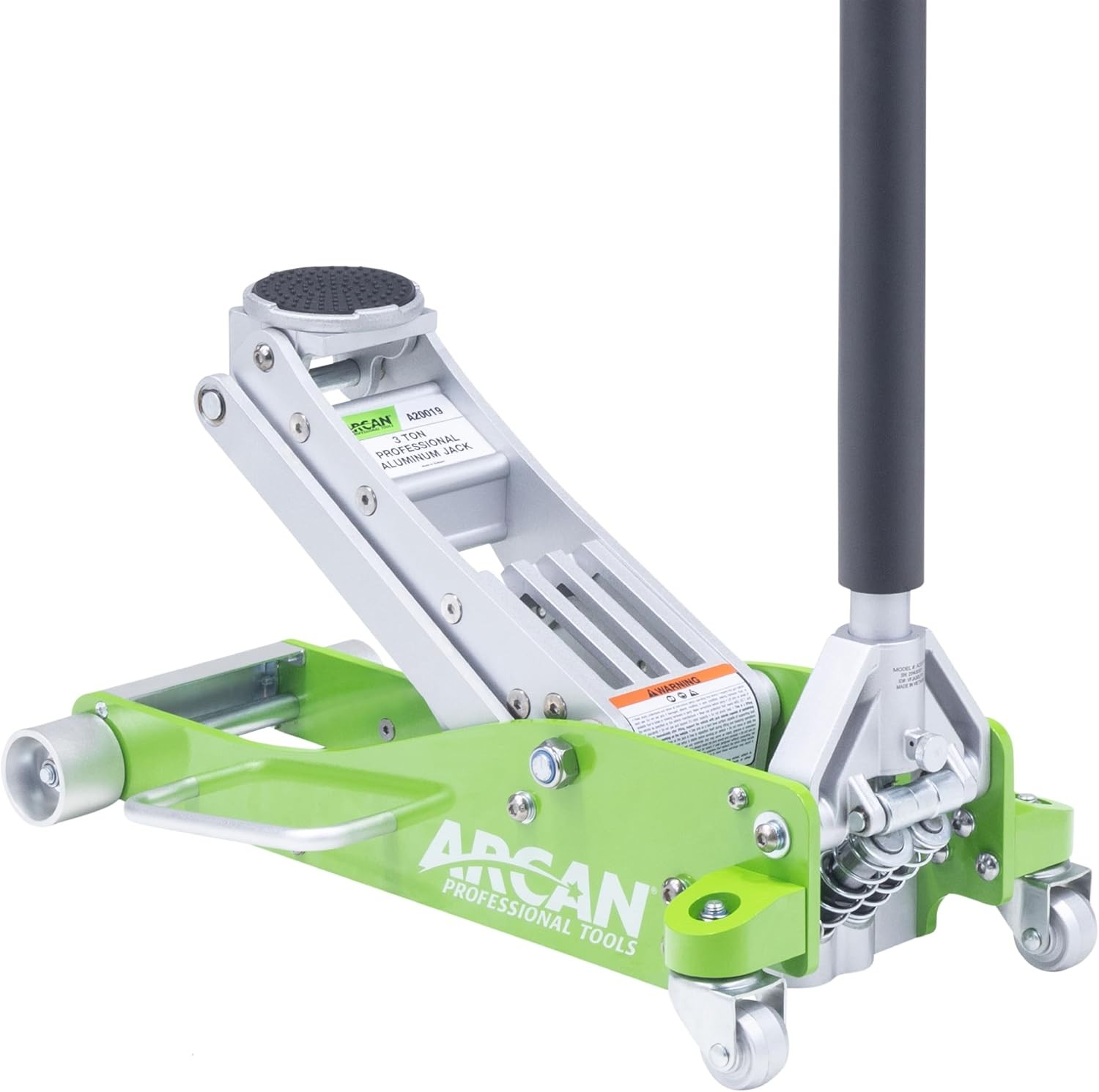 ARCAN A20019 floor jack | Lifts the car safely at the jacking point | Check Price |
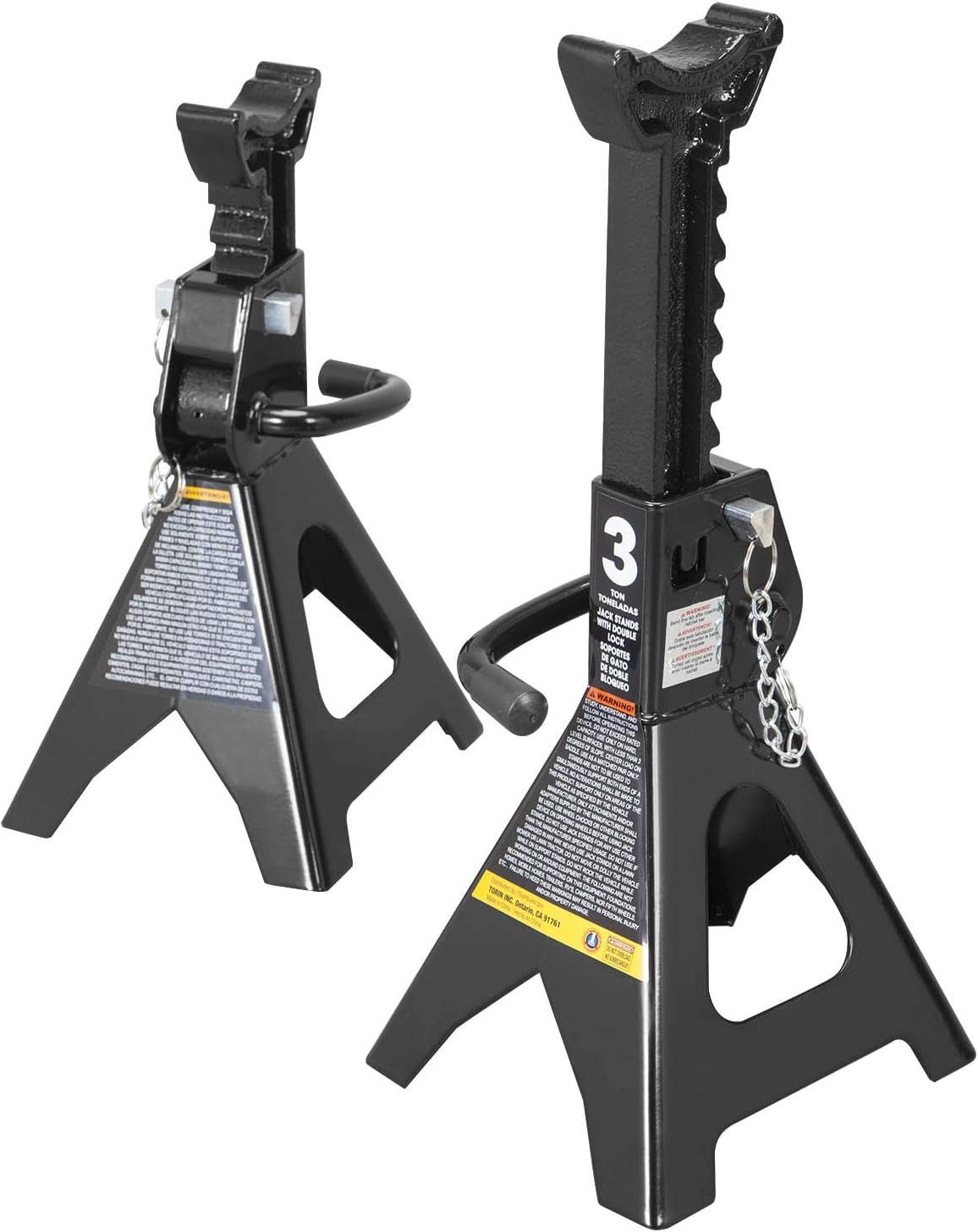 Torin AT43002AB jack stands | Hold the car while you are underneath | Check Price |
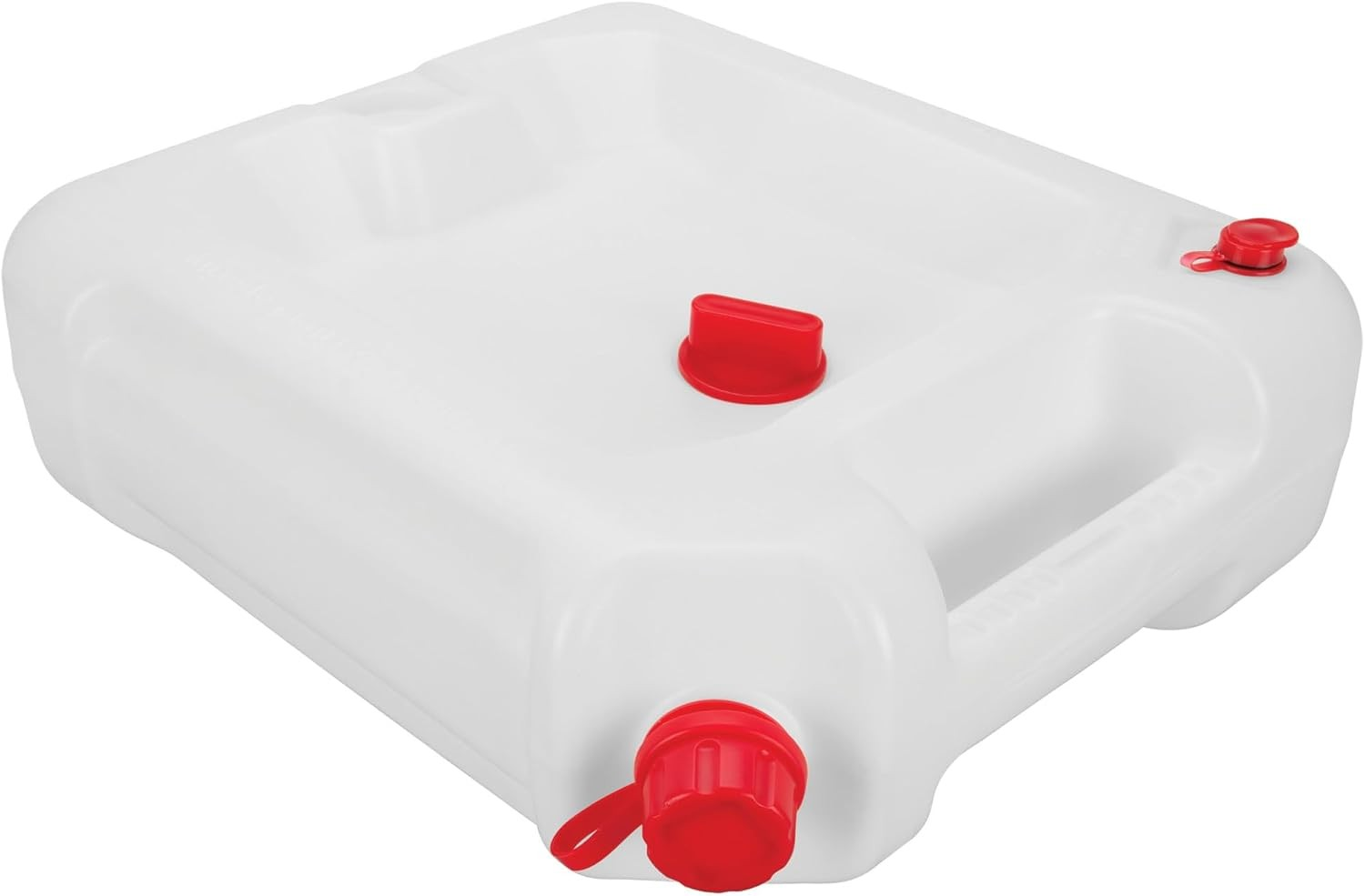 Performance Tool W4080 drain container | Catches the old oil and carries it to recycling | Check Price |
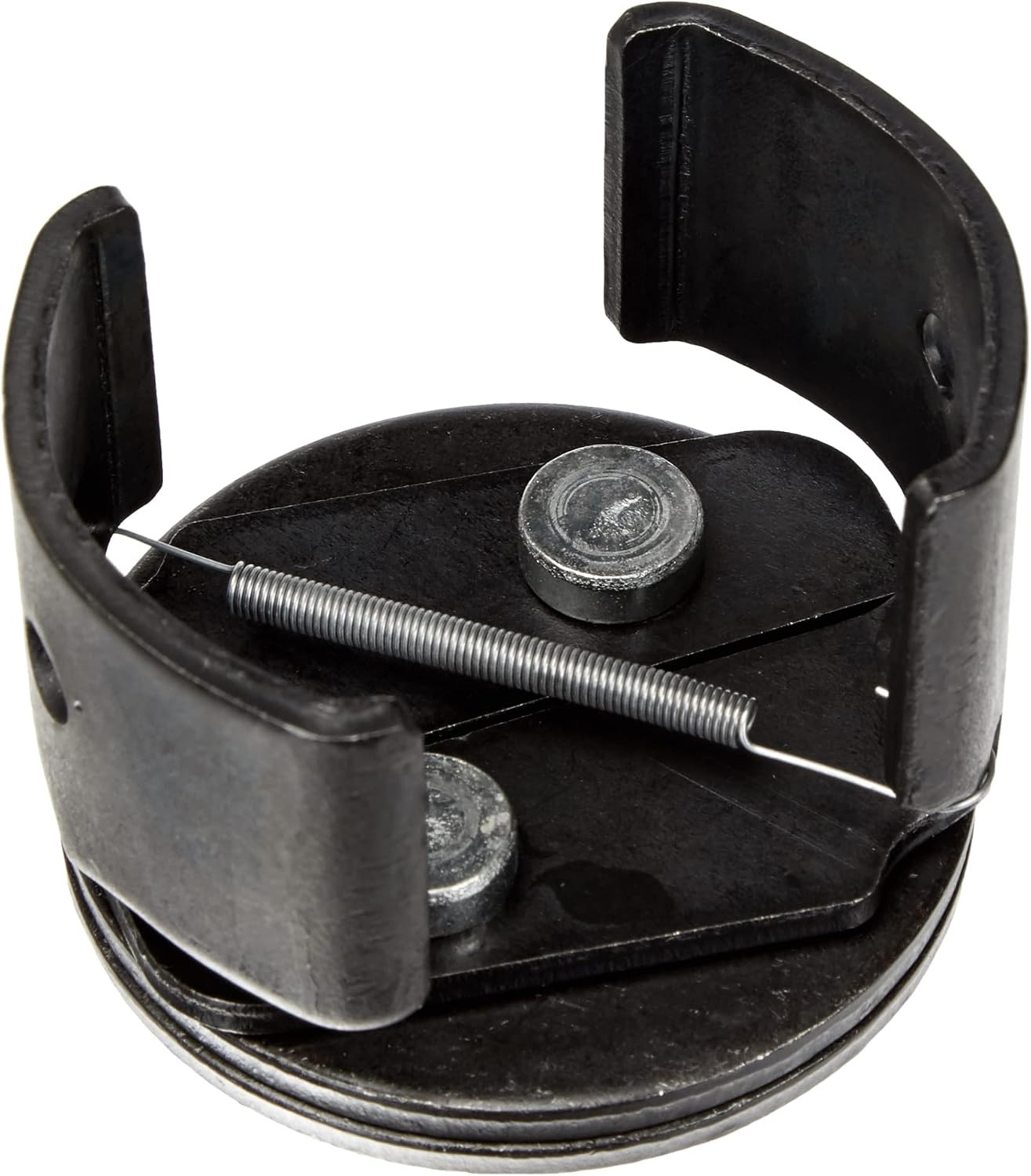 Lisle 63600 filter wrench | Removes a stuck filter | Check Price |
Add the basics most people already own: a socket or box-end wrench that fits your drain plug, nitrile gloves, rags or shop towels, a flashlight, and a funnel. Then buy the right oil and filter for your engine. The owner’s manual gives the oil grade and capacity, and the parts counter can look up the filter.
1. Getting the car up safely
Some cars have enough clearance to reach the drain plug and filter without lifting. Most do not. If you are lifting, a proper floor jack and a pair of jack stands are not optional, and the jack that came with the car is only for changing a flat at the roadside.
The ARCAN A20019 is a 3-ton aluminum jack with a 3.75-inch minimum height, low enough to slide under most sedans. Its quick-rise feature brings the saddle up to the car fast, and the aluminum frame keeps it light enough to carry to the driveway. Lift only at the jacking points shown in the manual.
Still using the trunk scissor jack? A low-profile floor jack is the single biggest upgrade for driveway work.
See the ARCAN Jack →Once the car is up, it goes onto stands before any part of you goes under it. The Torin AT43002AB pair is rated at 3 tons, adjusts from 11-1/4 to 16-3/4 inches, and has a locking pin that backs up the ratchet. Set the stands at a solid support point, lower the car onto them, then give the car a firm shove from the side before you crawl under.
Chock the wheels that stay on the ground and work on level concrete or asphalt. Gravel, grass and a sloping driveway are where jack accidents start.
Never trust a jack alone. A double-locking pair of stands is cheap insurance for every job under the car.
Check the Jack Stand Price →2. Draining the old oil
Run the engine for a few minutes first. Warm oil drains faster and carries more of the dirt out with it. Warm, not hot: give it a few minutes off before you reach for the drain plug, because oil and exhaust parts can burn you.
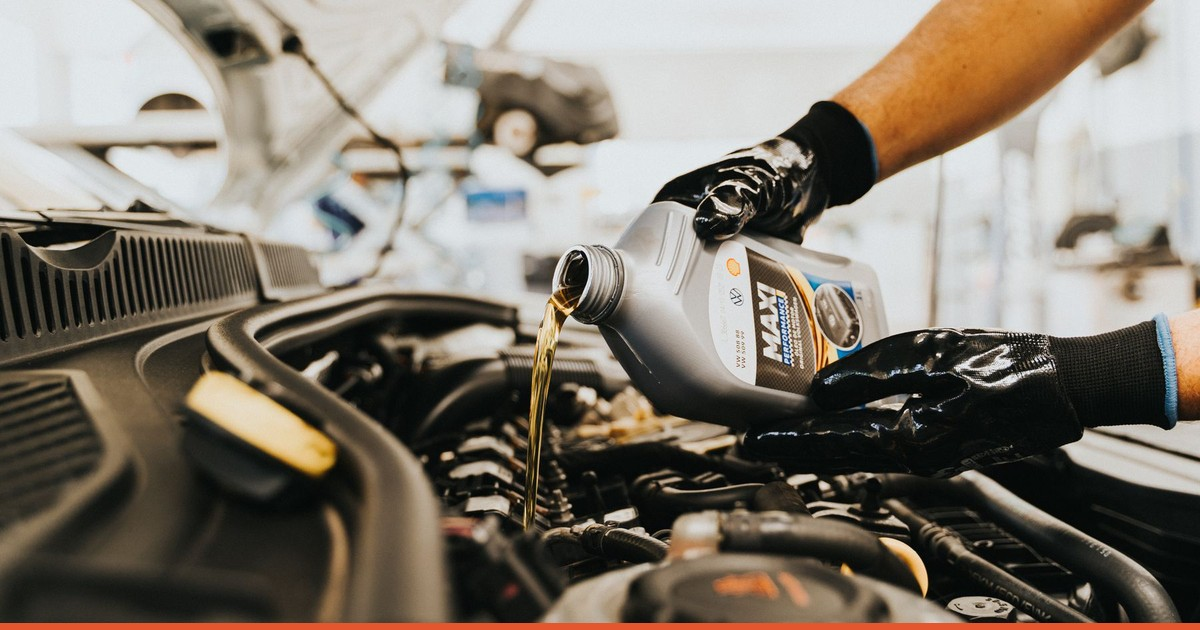
A real drain container beats a cut-off milk jug or a baking pan every time. The Performance Tool W4080 holds 16 quarts, which covers most car and light-truck engines with room to spare. It has a deep drain well with angled sides to cut down splashing, and the translucent body lets you see how much is in it.
The part that matters most comes after the job. The W4080’s caps have rubber gaskets and tethers, so the container seals up and goes straight into the trunk for the trip to recycling. Performance Tool reminds you to open the vent before draining so it does not overflow.
Loosen the drain plug with a wrench, then finish the last turns by hand while pushing it inward, and pull it away quickly. Expect the stream to arc out further than you think at first, and position the container to catch it.
Tired of pouring oil from a baking pan? A sealed drain container makes the recycling trip clean and easy.
View the W4080 →While it drains, check the drain plug washer. Many cars use a crush washer that is meant to be replaced at every change. A new one costs very little and stops the slow drip that otherwise shows up on the driveway a week later.
Your car uses a crush washer? Match the size to your drain plug and keep a few spares on the shelf.
Shop Drain Plug Washers →3. Getting the old filter off
Spin-on filters are supposed to come off by hand, and often they will not. A filter wrench gives you grip without crushing the canister into a shape that is even harder to remove.
The Lisle 63600 fits filters from 2-1/2 to 3-1/8 inches in diameter, which Lisle says covers most import car filters plus the common 3-inch domestic ones. It works off a 3/8-inch ratchet from the end of the filter, so it fits where a strap wrench will not. Its steel jaws grip the filter without slipping.
Lisle is clear that it is a removal tool, not for installing. If your filter is bigger, the company’s 63250 covers 3-1/8 to 3-7/8 inches, so measure yours first.
Filter fitted by a gorilla? A cam-action filter wrench usually turns it on the first try.
Check the Lisle 63600 Price →Before the new filter goes on, make sure the old rubber gasket came off with the old filter. A doubled gasket is a classic first-timer mistake and will leak badly once the engine starts. Smear a little fresh oil on the new gasket and tighten it by hand, following the instructions printed on the filter.
4. Refilling and checking
- Reinstall the drain plug with its new washer and tighten it to the torque in the service information. Do not lean on it; aluminum oil pans strip easily.
- Lower the car off the stands so it sits level.
- Pour in slightly less than the listed capacity through a funnel, then check the dipstick.
- Start the engine and let it run for a minute while you look underneath for drips at the plug and filter.
- Shut it off, wait a few minutes, check the dipstick again and top up to the full mark.
- Reset the oil life monitor if your car has one, and write down the date and mileage.
No funnel in the garage? One with a long flexible spout reaches awkward filler necks without a mess.
Shop Oil Funnels →5. Getting rid of the old oil
Pour the old oil from the drain container into the empty bottles from the new oil, or seal the container and take it as is. Many auto parts stores and local recycling centers accept used motor oil and filters. Call ahead to check, and never pour it down a drain or into the trash.
Is it worth doing yourself?
The first oil change takes the longest, mostly because you are buying tools and finding the plug. After that it gets much quicker, and the jack, stands and drain container go on to help with tire rotations, brake jobs and everything else in the driveway. The real benefit is that you get eyes under the car every few months and spot a torn boot or a leaking seal long before a shop would tell you about it.
More GarageWise guides
- How to Rotate Your Tires in the Driveway
- Mechanic Creepers and Shop Stools for Under-Car Work
- Checking Coolant, Brake and Washer Fluid: A Monthly Routine
- Choosing an Air Compressor for a Home Garage
- Clay Bar, Polish, Wax: The Order That Actually Matters
- Storing a Car for Winter: Battery, Fuel and Tires