
The car comes home from a February commute with a white crust along the doors, grey slush packed behind every wheel and a film on the windshield that the washers only smear around. Most people’s instinct is to leave it until spring, because washing a car when it is 28 degrees outside sounds miserable and maybe even harmful.
It is the opposite. Winter is when washing does the most good, and the part of the car that needs it most is the part you never see. Here is how to do it at home without freezing your hands, your hose or your door locks.
Disclosure: GarageWise is reader-supported. As an Amazon Associate we earn from qualifying purchases, at no extra cost to you.
Why winter washing matters more than summer washing
Road salt and the liquid brine many crews spray before a storm are there to lower the freezing point of water. That same salty water clings to tires, sprays up into the wheel wells and coats the underside of the car, where it sits on brake lines, fuel lines, suspension parts and seams.
AAA’s Michigan club put it bluntly in a February 2026 warning: salt damage is easy to miss because it happens underneath the vehicle, and because corrosion counts as normal wear and tear, it is usually not covered by insurance. Their advice is to wash at least every two weeks in salt season, more often after heavily salted roads, and to make sure the undercarriage gets rinsed.
If you drive an EV, it matters even more. AAA points out that battery packs, cooling lines and high-voltage connectors sit low in the chassis, and recommends rinsing the underside regularly and keeping the charging port free of salt.
What you need
| Item | Why it helps | ||
|---|---|---|---|
 | Electric pressure washer with a 25 or 40 degree tip | Flushes salt out of wheel wells and seams a hose cannot reach | Check Price |
| Undercarriage wand or cleaner attachment | Points the spray up at the floor pan without lying on wet concrete | See options | |
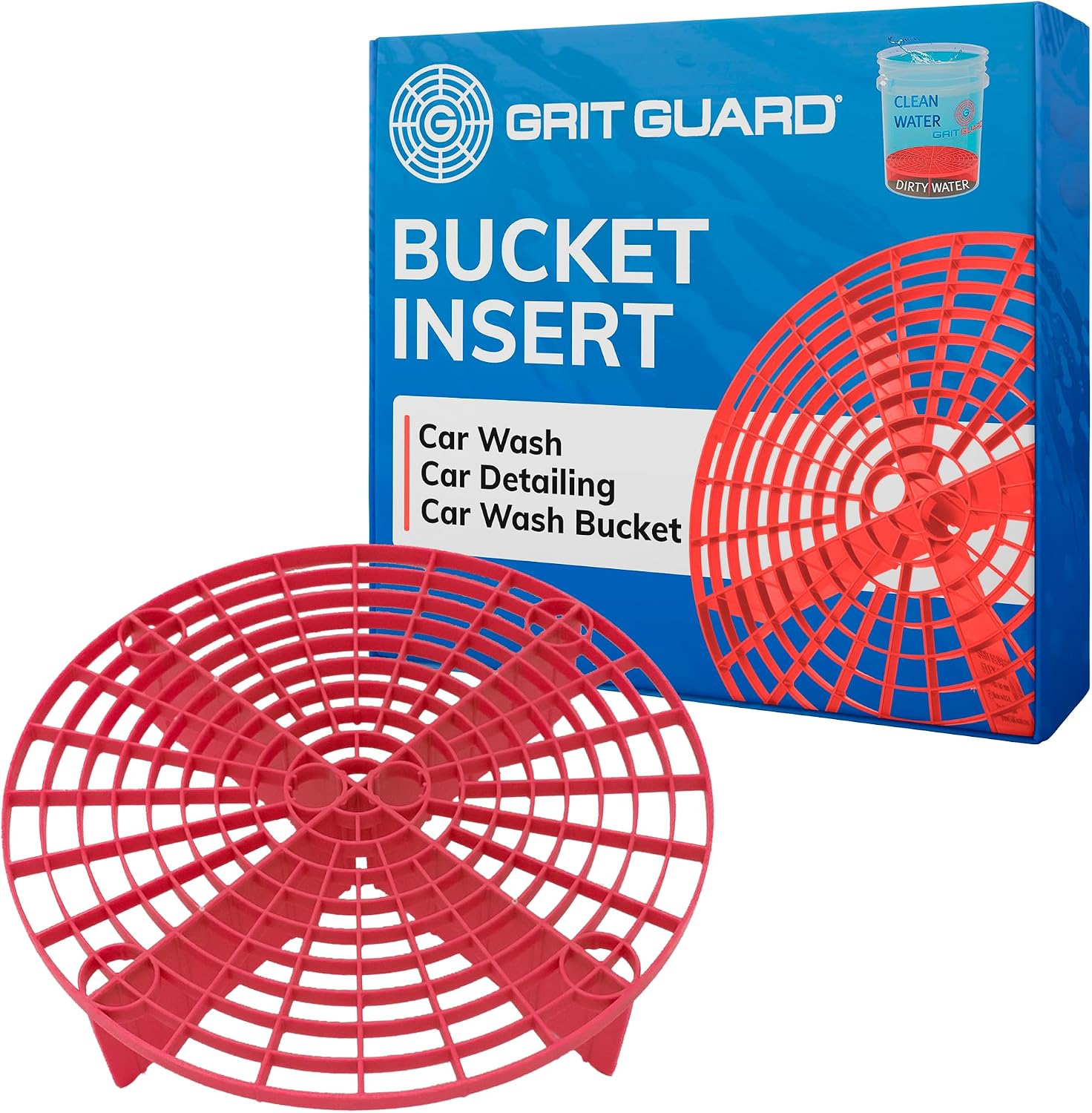 | Two buckets with grit guards | Keeps sand and salt crystals away from your wash mitt | Check Price |
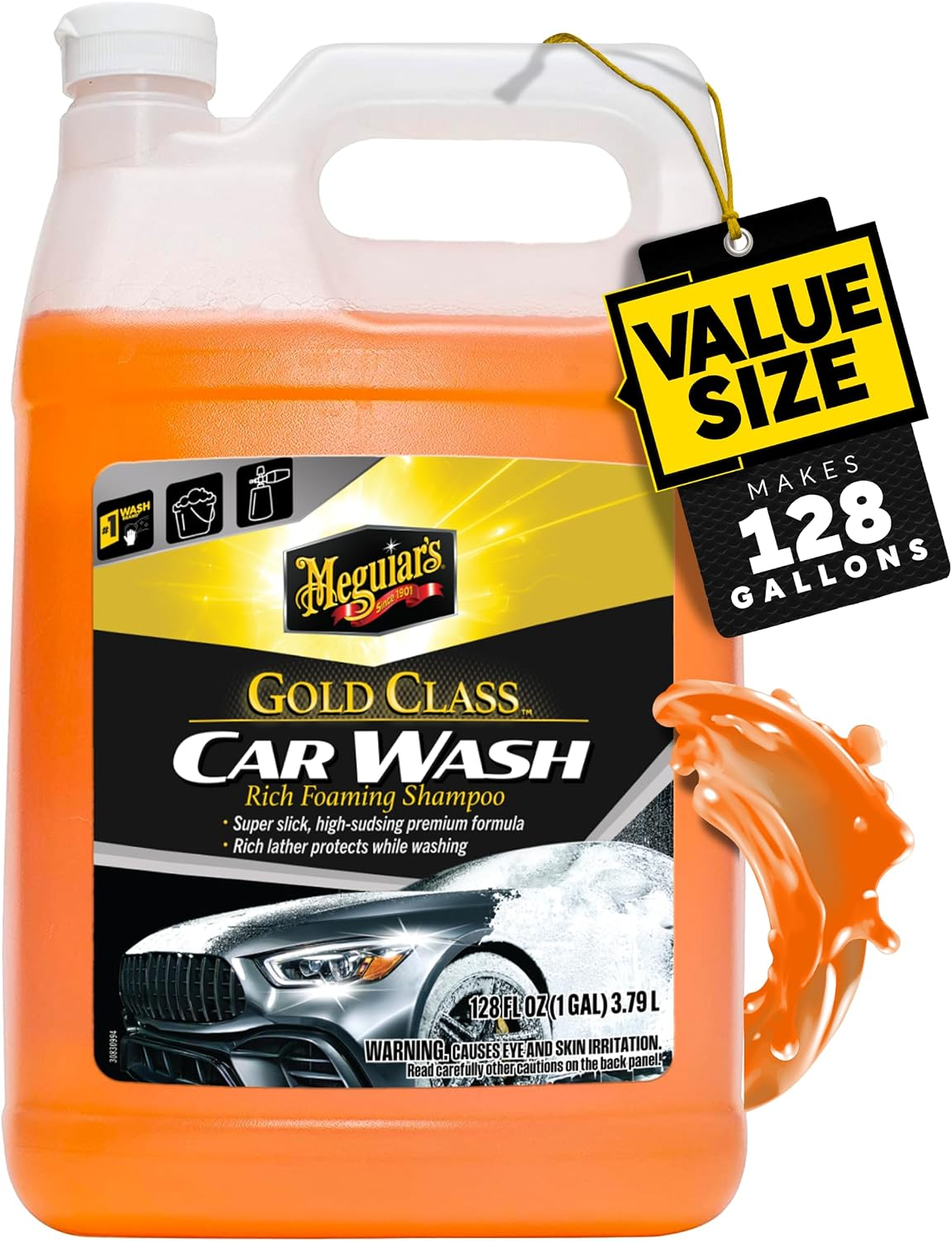 | Car shampoo | Lubricates the paint so grit slides off instead of scratching | Check Price |
| Warm water, a door-jamb towel and a silicone spray | Stops locks, seals and handles freezing shut afterwards |
Step 1: Pick your moment
The best winter wash happens on the warmest afternoon of the week, ideally above freezing, with the car parked in the sun or in a garage. Water that hits a car at 20 degrees turns to ice on the mirrors, in the door seals and in the hose itself.
If you can only wash when it is below freezing, keep the job short, start with the underside and wheels, and finish with a quick contact wash rather than a full detail. A garage with the door cracked open is far better than a driveway.
Never pour hot water on cold glass. Lukewarm water from the kitchen in your buckets is fine; a kettle of boiling water on a frozen windshield is how windshields crack.
Step 2: Rinse the underside first
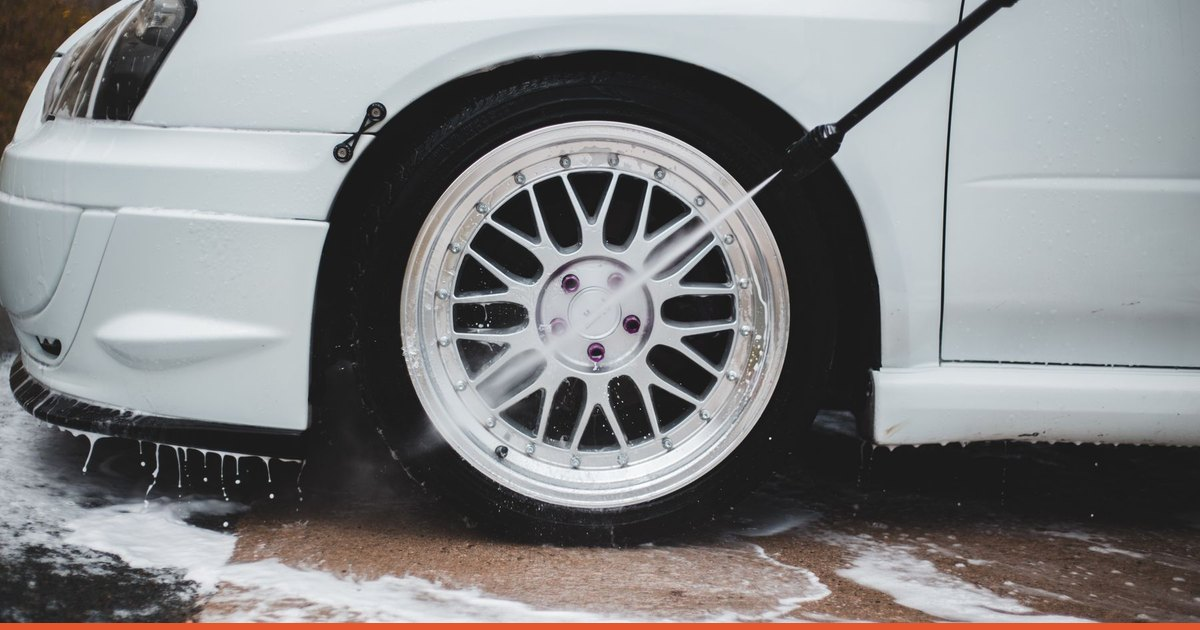
This is the step that actually protects the car, so do it before anything else. Start behind each wheel and work the spray up into the arch, the inner fender liner and the back of the bumper. Then do the rocker panels and the area just inside them.
With a pressure washer, use a 25 or 40 degree tip and keep it moving. The wheel wells and the frame can take a closer pass than the paint, but stay clear of wiring connectors and rubber boots. You are flushing salt, not blasting rust.
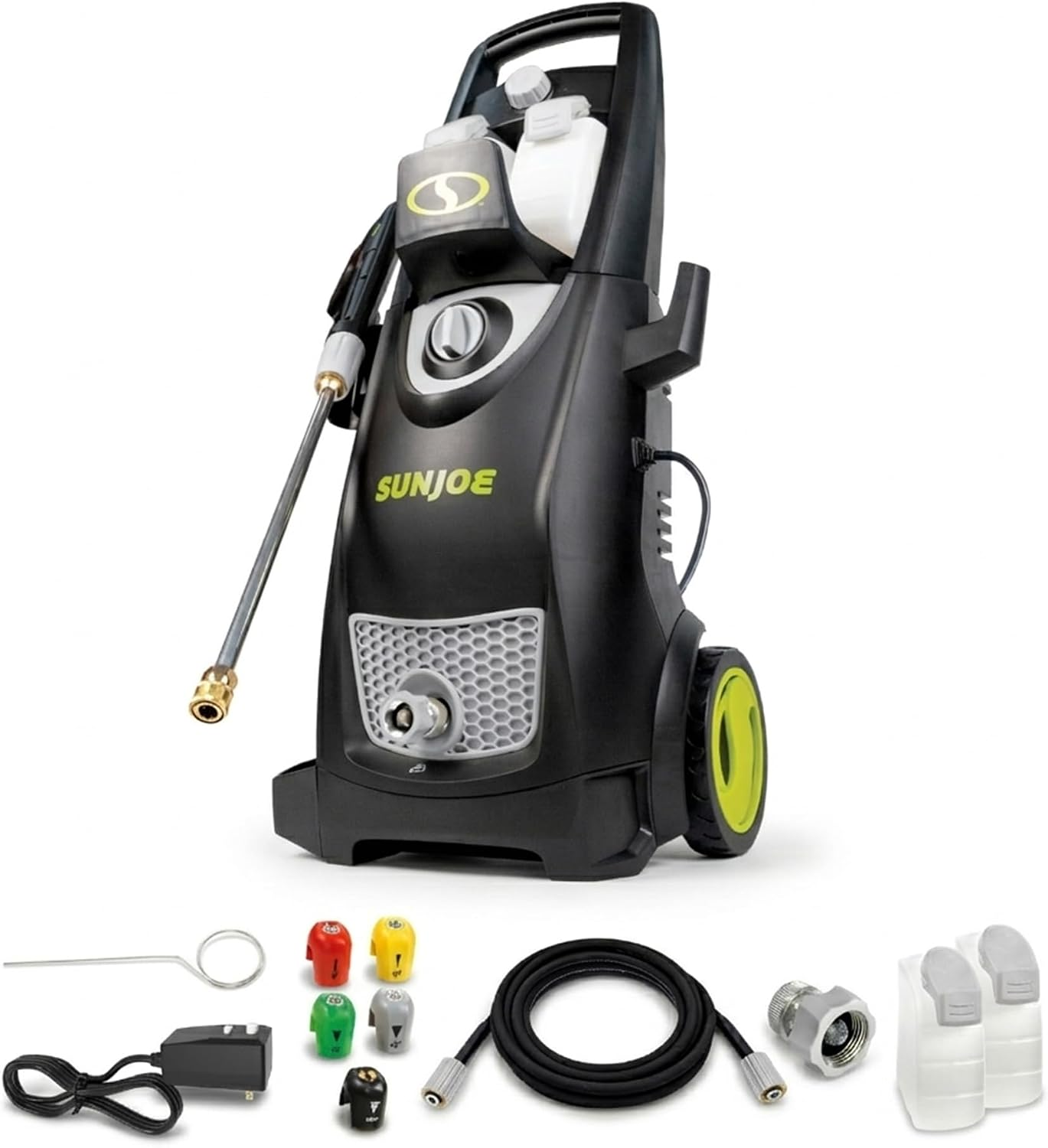
An electric washer such as the Sun Joe SPX3000 is plenty for this. Sun Joe lists 2,030 PSI working pressure and 1.2 GPM, five quick-connect tips and two onboard detergent tanks, so you can keep car shampoo in one and something stronger for wheels in the other.
For the floor pan itself, an undercarriage attachment makes life easier: a wheeled or angled wand that rolls under the car and sprays upward, so you are not kneeling in slush. Check that it matches your washer’s connection (most electric units use a 1/4 inch quick-connect) before you buy.
Salt hiding where you can’t see it? A pressure washer turns the undercarriage rinse into a ten-minute job instead of a kneeling-in-slush job.
Check the SPX3000 on Amazon →No pressure washer? A hose with a jet nozzle still helps a lot, especially in the wheel arches. Many self-serve car washes also have an underbody setting, which is a good fallback on days when your outside tap is shut off for the season.
Step 3: Rinse the body before you touch it
A car in winter is covered in sharp stuff: salt crystals, grit from plowed roads, and the sand some towns mix into their salt. Rinse the whole body from the top down until the white streaks are gone. AAA’s tip list puts it the same way: flush off loose salt before washing to protect the paint.
If you have a foam cannon or hose foam gun, this is a good time to use it. Let the foam sit for a minute or two (not long enough to freeze) and rinse again. The less grit left on the paint, the fewer swirl marks you put in it.
Step 4: Two buckets, warm water, quick hands
Fill one bucket with warm water and shampoo and one with plain warm water for rinsing the mitt. A grit guard in the bottom of each keeps what falls off the mitt down at the bottom instead of back on the paint.
Wash from the roof down, one panel at a time, and rinse each panel as soon as you finish it. In cold weather soap can start to dry or freeze before you get back to it. Save the lower doors and bumpers for last, because they carry the worst of the salt.
Winter grit is sharper than summer dust. Two grit guards keep it at the bottom of the bucket, not under your mitt.
See the Grit Guard insert →Use a real car shampoo, not dish soap. Something like Meguiar’s Gold Class is designed to lubricate the surface, while dish soap is made to strip grease, including the wax you put on before winter.
A gallon lasts a whole winter. Gold Class is a gentle, slick shampoo that will not strip your wax.
View Gold Class on Amazon →Step 5: Dry the parts that freeze
This is the step most guides skip and the one you will thank yourself for at 7am the next day. Dry the car with a large microfiber towel, then open every door, the trunk and the fuel door and wipe the seals and jambs.
A light wipe of silicone spray on the rubber door seals helps stop them sticking to the frame overnight. Work the door handles and the fuel door a few times so any water in them is pushed out. If your car has frameless windows or a power liftgate, give those seals the same treatment.
Finally, drive the car for a few minutes and press the brakes gently a few times. That dries the rotors and pads so they do not freeze together if the car sits outside.
When it is just too cold: the rinseless option
Some weeks the temperature never climbs above freezing and the outside tap is off. A rinseless wash gets you through those. You mix a small amount of concentrate into a bucket of warm water, soak several microfiber towels or a sponge, wipe one panel at a time and dry it immediately. No hose, no runoff, and it works fine in a garage.
Optimum No Rinse is the product most detailers reach for. It is not a substitute for flushing the undercarriage, so pair it with a trip through a self-serve bay or a touchless wash with an underbody spray every couple of weeks.
Protecting the car before the next storm
- Wax or seal the paint in the fall, while it is still warm enough for products to cure. AAA recommends a fresh coat before winter to shield the paint from salt and moisture. Our guide to clay bar, polish and wax order covers the prep.
- Swap in rubber floor mats. Salt water soaking into carpet causes its own rust, under the seats where you will never see it.
- Keep the washer fluid topped up with a winter blend rated for your climate. Salt spray from the car in front empties a reservoir quickly.
- Give it a proper spring clean. Once the salt trucks stop, do one thorough undercarriage rinse to get rid of what built up over the season.
The short version
Wash every couple of weeks when the roads are salty, start underneath, rinse before you touch the paint, and dry the seals and locks before you walk away. It is a 45-minute job on a mild afternoon, and it is the cheapest rust protection you will ever buy.
If you are new to washing at home, start with our step-by-step on washing your car without scratching the paint, and if you are still deciding on equipment, see pressure washer vs garden hose.