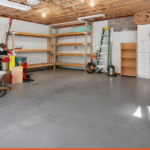

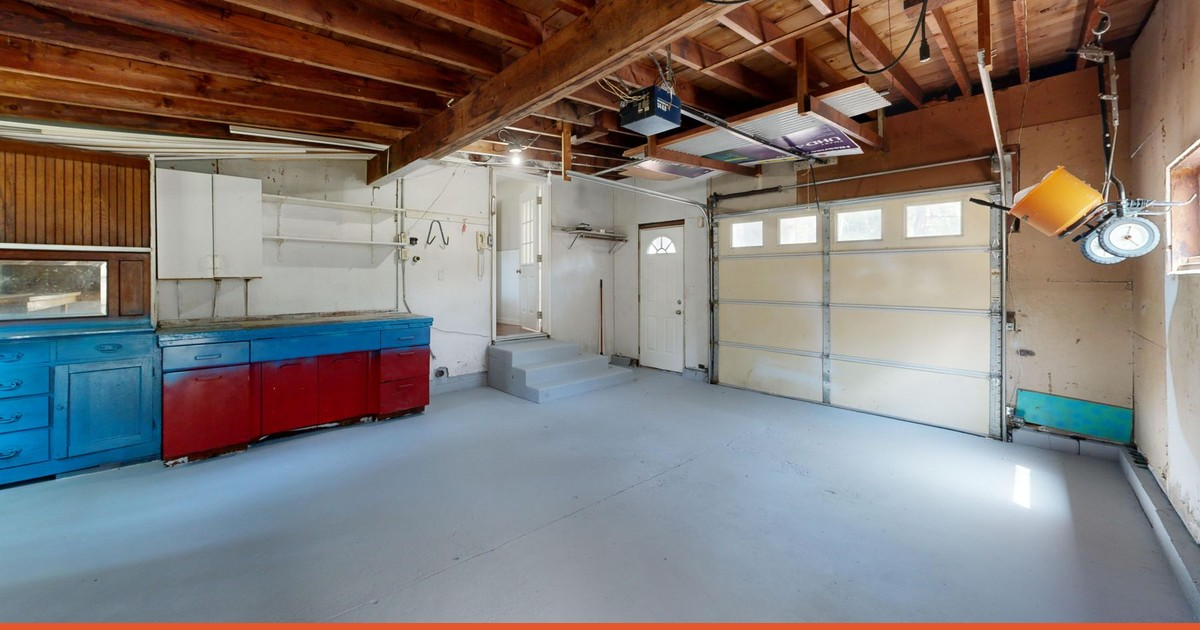
Bare concrete is a terrible garage floor. It stains the first time a car drips oil, it sheds dust you track into the house, and every winter it soaks up salty slush. Sooner or later most people decide to cover it, and the choice usually comes down to two DIY options: a roll-on epoxy coating or snap-together plastic tiles.
Both can look great. They suit very different garages and very different owners, though. Here is how they compare, round by round, using a Rust-Oleum EpoxyShield kit and GarageTrac interlocking tiles as the examples.
Disclosure: GarageWise is reader-supported. As an Amazon Associate we earn from qualifying purchases, at no extra cost to you.
The two contenders
| What it is | Prep needed | Car back on it | ||
|---|---|---|---|---|
| Rust-Oleum EpoxyShield garage floor kit | Two-part water-based epoxy, rolled on | Degrease, etch, rinse, dry | 3 days | Check Price |
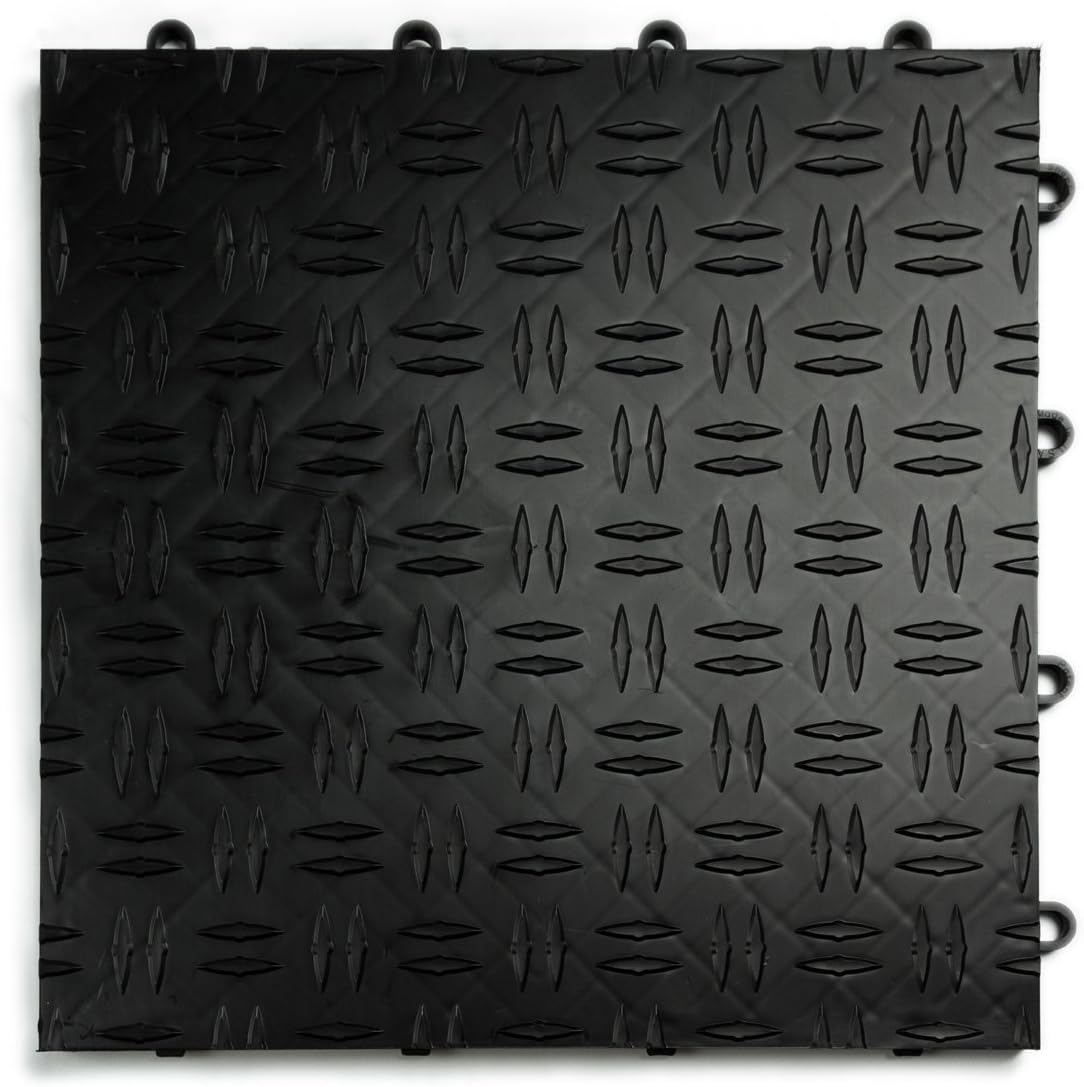 SnapLock GarageTrac tiles | 12 x 12 in. snap-together copolymer tiles | Sweep | Right away | Check Price |
EpoxyShield is the best-known DIY epoxy kit. Each 1-car kit contains a two-part burst pouch (you mix it by squeezing the pouch), concrete etch and decorative chips. Rust-Oleum puts the practical coverage at about 250 square feet per pouch, and the 2.5-car kit doubles everything.
GarageTrac tiles are 12-inch squares that snap together with no tools or glue. A pack of 24 covers 24 square feet, and the maker rates them for rolling loads over 40,000 lb, with a raised diamond pattern for grip.
Round 1: Installation and prep
This is where the two are furthest apart. Epoxy lives or dies on prep. Rust-Oleum’s own instructions have you scrub out oil spots with a degreaser, then etch the bare floor in 10 by 10 foot sections with the citric etch from the kit, rinse each section, squeegee it and let the whole floor dry completely. Rub your fingers on the dry floor: if powder comes off, you scrub and rinse again. Rust-Oleum specifically says not to use muriatic acid.
Then there is the weather. EpoxyShield wants air, material and floor temperatures between 60 and 85°F, humidity no higher than 85 percent, and once mixed it has to be used within one to two hours. You will want a helper, a free weekend and a forecast you trust.
Tiles need a swept floor, a rubber mallet for stubborn joints and a saw for cuts around the edges. You can do a single bay in an afternoon, and you can stop halfway through and finish next weekend.
Winner: tiles, by a long way.
Round 2: The concrete you actually have
Coatings only stick to sound, dry, unsealed concrete. EpoxyShield’s technical sheet lists the tests. Tape a 2 by 2 foot sheet of plastic to the bare floor for 24 hours; if droplets form underneath or the concrete darkens, moisture is coming up through the slab and the coating will not hold without a moisture barrier first. Drip some water on the floor; if it beads instead of soaking in, there is a sealer that has to come off. New concrete needs at least 28 days to cure.
If the floor has an old paint job, Rust-Oleum suggests an X-cut tape test, and if more than a quarter of the old coating pulls off, it all has to be removed before you coat. Rust-Oleum also warns that sanding or scraping old paint can release lead dust, so treat an old, painted floor with real caution.
Tiles do not care about most of this. They float on top of the slab, so cracks, stains and an old peeling coating simply disappear underneath. That makes them the obvious answer for a rough floor or a rented house.
Winner: tiles, unless your concrete is in good shape.
Round 3: Durability, spills and hot tires
A good epoxy floor is one continuous surface. Oil, antifreeze and salty water sit on top until you wipe them, and nothing can get underneath. Rust-Oleum rates EpoxyShield for foot traffic after 24 hours and cars after three days, and its clear top coat is described as resisting hot tire pickup, the peeling that happens when warm tires lift a cheap coating.
Tiles are tough in a different way. A dropped wrench or a jack stand will not chip them the way it can chip a thin coating, and a damaged tile can be popped out and replaced. The weak spot is the seams. Spills and fine grit can work down between tiles, so an oil leak is a bigger cleanup on tiles than on a coated floor.
Winner: epoxy for spills, tiles for impact. Call it a draw.
Round 4: Safety, looks and cleaning
Rust-Oleum points out that a coated floor is smoother than bare concrete and can be slippery when wet. It recommends adding an anti-skid additive to the mix, or using its clear top coat with the anti-skid included. If your garage sees snow and slush every winter, do not skip that step.
Tiles have texture built in. The diamond tread on GarageTrac tiles is there specifically for traction, and the maker says spills clean up with a mop or a shop vac. They also feel a little softer underfoot, which you notice on a long day at the bench.
On looks, it is personal. Epoxy with color flakes gives the classic glossy showroom floor. Tiles let you mix colors, mark out a parking bay or a work zone, and they read as a workshop floor more than a showroom.
Winner: tiles for grip, epoxy for the glossy look.
Round 5: Cost and taking it with you
Tiles cost more per square foot. The 24-tile GarageTrac pack was about $72 on Amazon when we checked, roughly $3 per square foot. A typical 20 by 20 foot two-car garage is 400 square feet, so you would need 17 packs. Epoxy kits are priced per garage instead: two EpoxyShield pouches cover about 500 square feet at Rust-Oleum’s rate, plus a roller, a brush, degreaser and maybe the anti-skid additive. Check current prices for both before you decide.
The other side of the cost question is permanence. Epoxy is staying with the house. Tiles can be pulled up and taken with you when you move, which matters for renters and anyone who expects to move in a few years.
Winner: epoxy on price, tiles if you might move.
The verdict
Choose epoxy if the concrete is sound and dry, you own the house, you are happy to spend a weekend on prep, and spills are your biggest worry. It is the cheaper way to a clean, sealed floor.
Concrete in good shape? A DIY epoxy kit gives you a sealed, glossy floor for the cost of a weekend’s work. Do the plastic-sheet moisture test first.
Find EpoxyShield kits on Amazon →Choose tiles if the floor is cracked, stained, damp or previously painted, if you rent, or if you want to start using the garage the same day. You pay more per square foot, but you skip almost all the prep.
Floor too rough to coat? Snap-together tiles cover cracks and stains and go down in an afternoon, no etching required.
See GarageTrac tiles →Whichever you pick, clear the floor first. Our garage storage checklist is the job to do before the coating or the tiles, and the job that keeps them looking good afterward. And if you change your own oil on the new floor, a drip tray is cheap insurance; we list what else you need in our oil change tool guide.
More GarageWise guides
- Garage Storage Ideas That Free Up Floor Space
- Mechanic Creepers and Shop Stools for Under-Car Work
- Choosing an Air Compressor for a Home Garage
- Changing Your Own Oil: Every Tool You Need